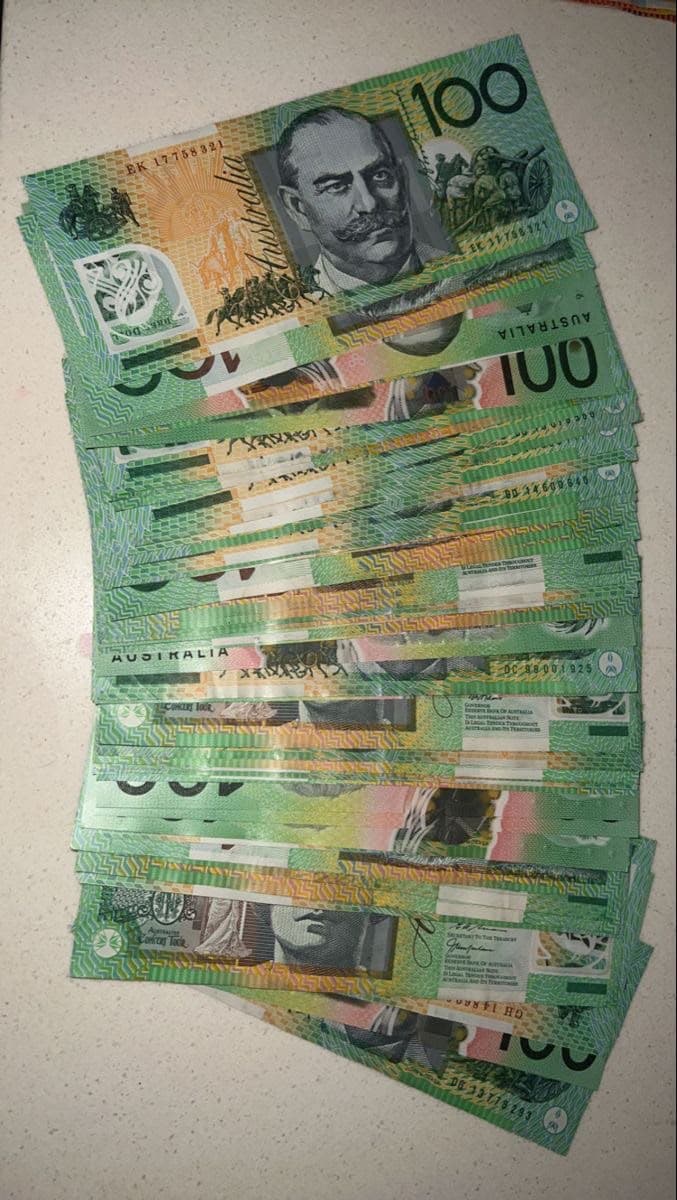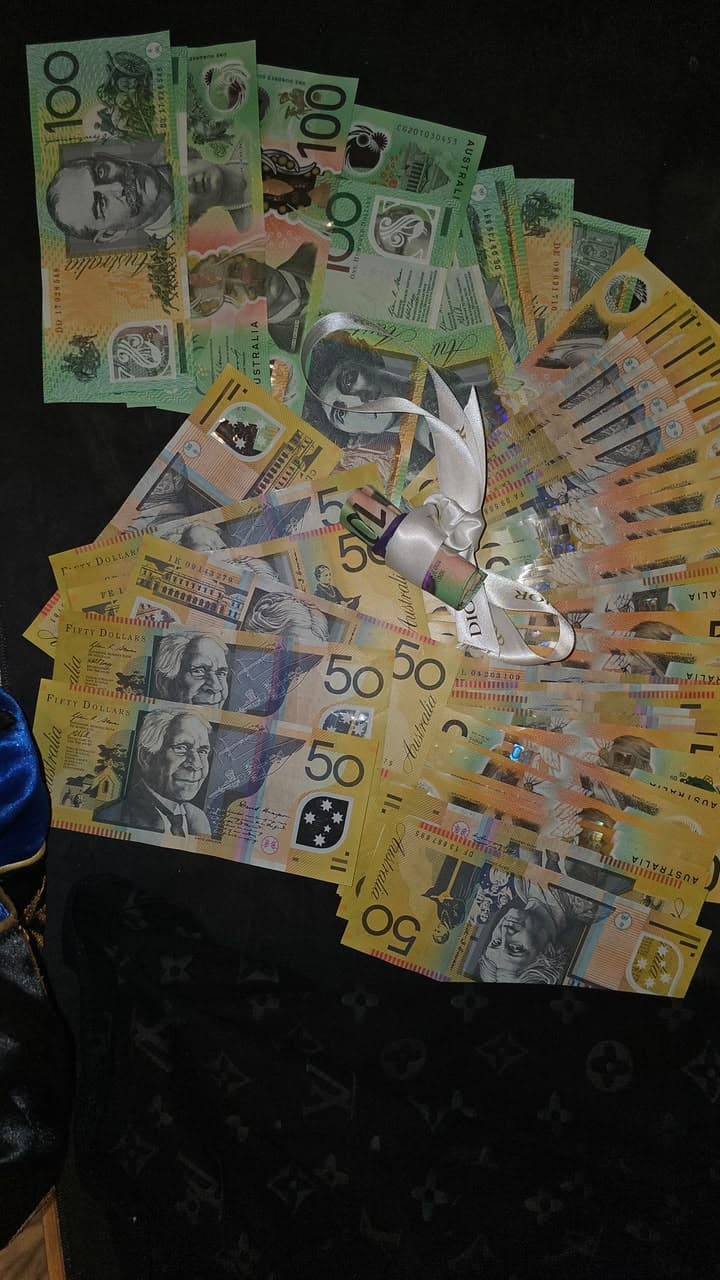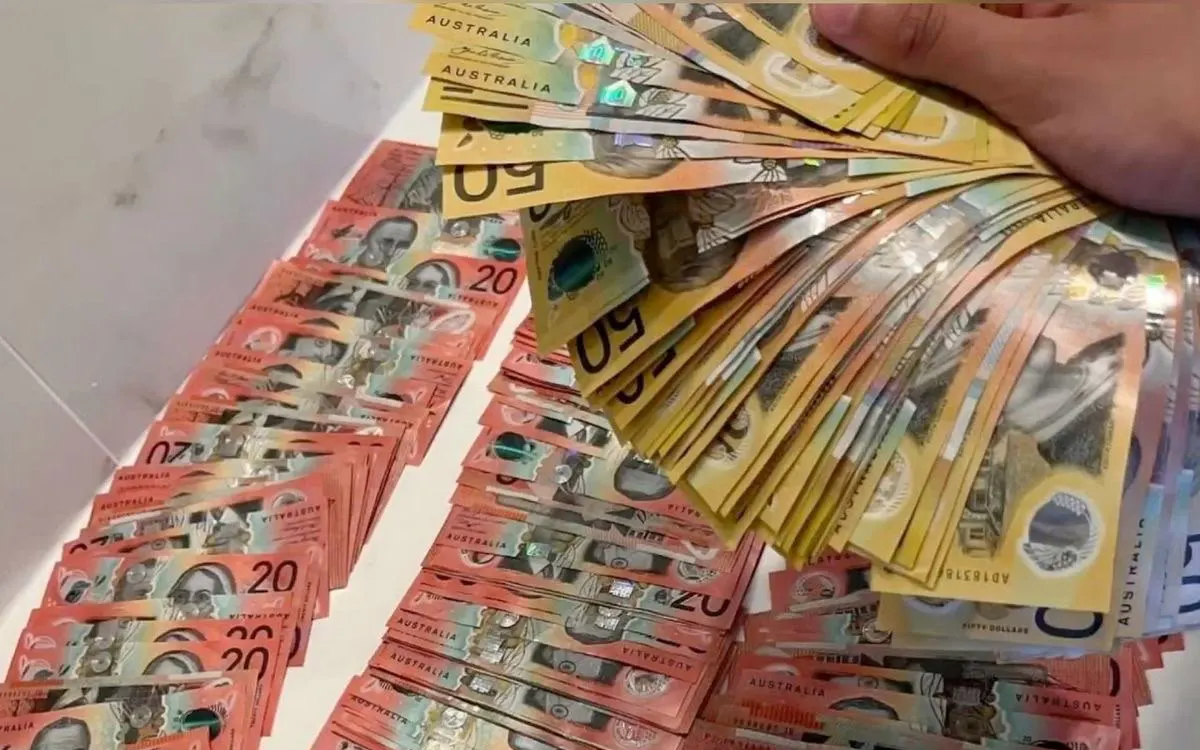
Props for filming are easy to underestimate. A stack of cash looks like one line in the prop schedule, until the order is late, the count is short or the notes do not match the script. This guide takes you through ordering prop currency for a shoot in seven steps, from reading the script to wrapping the notes, so the art department is not chasing a parcel on the morning of the shoot.
It is written for Australian film, television, theatre and advertising productions and applies to a student short as much as a feature. PROPPS has supplied more than 500 Australian productions from Eltham, Melbourne since 2019, and the same questions come up every time.
Step 1: Break down the script
Go through the script and mark every scene where money is seen, counted, handed over or carried. For each, note the denomination, the quantity visible and the shot type: a wide, a medium or an insert close-up. A bag on a table in a wide shot needs bulk. A hand counting notes in an insert needs a few clean notes and a strapped stack.
Step 2: Count the notes
Work out quantity per scene, then add a margin. The simple rule is to add about 20% for damage, reshoots and continuity swaps. Our guide on how much prop money you need for a scene gives worked examples, and the post on heist and bank scenes covers the large-volume case.
Step 3: Choose denominations and finish
Pick the denomination for each scene. The $100 and $50 notes carry the most visual weight, while $20 and $10 notes suit everyday transactions. Decide whether you want clean notes or aged ones. Fresh notes suit a bank vault. Soft, handled notes suit a street deal. See the best Australian denominations for film and TV and how to weather prop cash.
Step 4: Check the paperwork
Before you order, confirm the supplier will give you an invoice and that the notes carry specimen markings. Put both on the production file with a line describing the purpose of the notes. Insurers, location owners and, occasionally, police want to see it. Our compliance page sets out the standard we build to, and the legal background sits in the Crimes (Currency) Act 1981 and the Reserve Bank's banknote guidance.
Step 5: Place the order with lead time
Order before you need the notes in the department, not on the day. Parcels leave our Eltham depot by Australia Post Express, usually within 24 business hours of payment, and the delivery times by region are in the shipping policy. Add a buffer for remote locations. Delivery needs a signature, so give an address that will be staffed.
Orders start at $300 AUD and delivery is free from $500 AUD. Payments in cryptocurrency receive a 10% discount. Production companies buying in quantity can ask about wholesale tiers of 10% to 30% off, and the wholesale pricing guide explains how they work.
Step 6: Check the delivery on arrival
Open the parcel in the art department, count the stacks and compare them with the invoice. If anything is damaged, photograph it and email us within 48 hours of delivery. Our refund policy sets out the 3 to 8 business day refund window and the replacement process.
Step 7: Control the notes on set and at wrap
Prop currency needs a custodian. Give it to the prop master or props buyer, count it out and in each day, and keep it out of pockets, bags and cars. Brief the cast and extras that the notes are never spent or handed over. At wrap, return or securely store what is left. This habit, more than any other, is what keeps a production file clean.
A sample schedule: three weeks out
Here is how a small production might plan its prop currency, working back from the first shoot day.
| When | Task |
|---|---|
| 3 weeks out | Script breakdown done, money scenes listed with denomination and count |
| 2 weeks out | Order placed, invoice saved to the production file |
| 10 days out | Parcel delivered and counted by the props buyer |
| 3 days out | Hero notes tested under the planned lighting |
| Shoot days | Notes counted out in the morning and back in at wrap |
| Wrap | Unused notes returned to storage or disposed of securely |
This timeline leaves a week of slack for a late script change or a delivery to a remote location. Remote and regional addresses take longer than Melbourne, Sydney or Brisbane, so build in the extra days.
Who orders what on a production
On a larger crew the money line is spread across several people. The production designer sets the look and the budget. The art director and props buyer place the order and keep the paperwork. The prop master is the custodian on set. The script supervisor tracks continuity, which matters because the stack on the table in shot A must match the stack in shot B. On a small crew one person does all four jobs, so keep the checklist short and write it down.
Props for filming beyond money
Cash is only one prop. If your film also needs other specialist items, plan them on the same schedule and ask early. We focus on prop currency, which is why the film and TV props category is built around banknotes, bundles and packs. Anything outside that range is better sourced from a general prop house, and our checklist for art departments covers how to compare them.
What to buy for a typical shoot
| Scene | What to order |
|---|---|
| Insert of one note | A few notes of the denomination, from the New Notes range |
| Hand counting cash | One or two strapped stacks of the same denomination |
| Table or bag of money | The bulk money stack |
| Whole set dressing | The film and TV prop currency pack |
If you need other prop currency lines, see our film and TV props category, and for a wider look at the process read buying film props in Australia: a checklist for art departments.
Special cases to plan for
Night shoots and low light. Dim light flattens colour, so test the notes under your actual lights. Warm tungsten makes yellow-gold notes glow, while cool LED can wash out the greens.
Period pieces. Australia changed from pounds to dollars in 1966, and the notes have been redesigned several times since. If your story is set before the current series, read our guide to the history of Australian currency notes for set designers before you choose a denomination.
Action and stunts. Notes that will be thrown, burned in camera or dropped from height need a larger margin. Order extra and brief the stunt coordinator, because damaged notes cannot be reused in close-ups.
Multiple units. If two units shoot money scenes in different places, split the order and the custodian. One count per unit keeps continuity clean.
Rehearsals and tests. Camera tests and rehearsals use notes too. Keep a separate small set for them so the notes in the main stock stay clean for the actual shoot days, and so a test does not eat into your margin.
Budgeting for prop currency
Prop currency is usually a small line in a production budget, but it is easy to under-order and expensive to fix on the day. Budget for the notes, the 20% margin and delivery. If your total reaches $500 AUD, delivery is free. If you pay with cryptocurrency you receive a 10% discount, and buying at studio scale opens the wholesale tiers. Compare these before you place the order, and keep the invoice with your production accounts.
Common mistakes
- Ordering exactly the on-screen count with no margin.
- Waiting for a late script change before ordering.
- Skipping the invoice and specimen photo for the production file.
- Sending a parcel to an unattended address.
- Reusing damaged notes in a close-up.