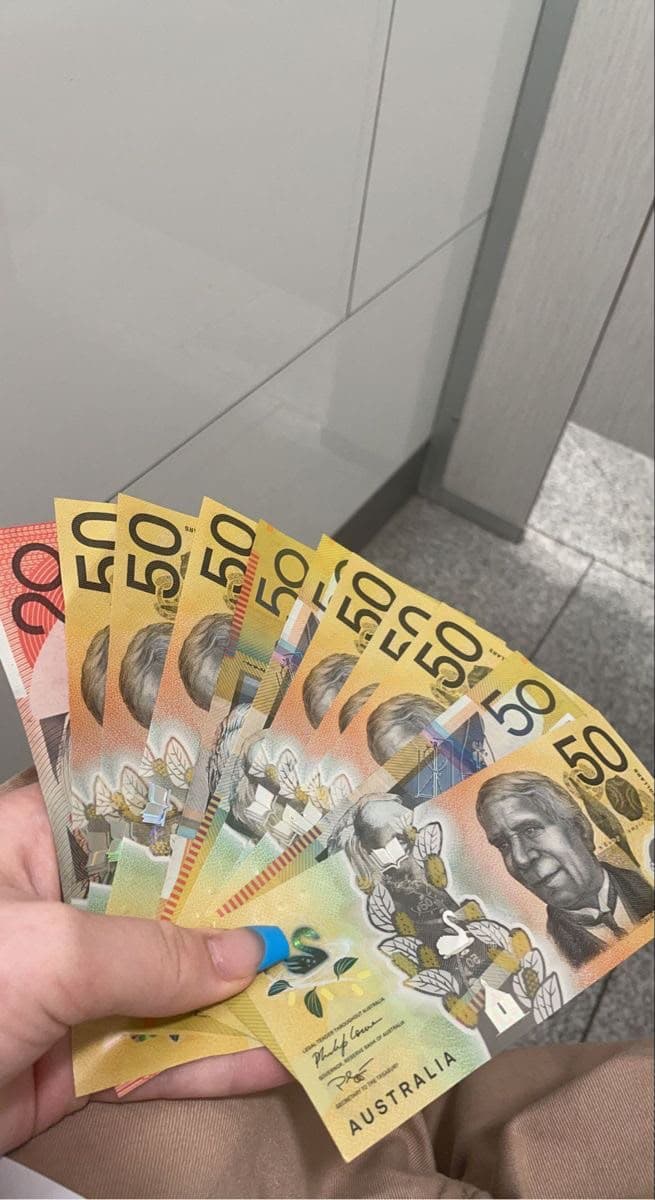
Monetary toys are play sets that let children handle money in pretend games: shops, banks, cafes and classroom markets. For parents and teachers they are a simple way to teach counting, addition and the idea of value. For party hosts and fundraisers they add a game to the room. This guide explains what to look for in monetary toys and play money sets, which notes suit each age and how to buy them in Australia.
It is general buying advice, written by a prop studio that makes specimen-marked notes for film and for events. Choosing the right set takes a few minutes and avoids the two common mistakes: money that is too fragile for small hands, and money that looks too much like the real thing.
What counts as a monetary toy?
Monetary toys cover plastic coins, card notes, cash registers with play money and printed sets that mimic Australian denominations. They range from chunky toddler coins to printed notes for older children. The common thread is that they are made for play, not for spending.
That last point matters. Play money should look like play money. If you want to understand the difference between toy notes and film-grade reproductions, our guide to play money vs prop money explains how each is made and used.
What to look for in a play money set
- Age-suitable size and material. Toddlers need coins and thick card they cannot tear. Older children can use paper notes in full sets.
- A full range of denominations. A set with $5, $10, $20, $50 and $100 notes lets a child practise change-making, not just counting.
- Clear, bright artwork. Bright colours help children tell values apart quickly.
- Clear play markings. A good set says it is play money or carries a specimen marking, so no one mistakes it for cash.
- Durability. Notes get folded, counted and dropped. Heavier stock lasts longer.
- Enough quantity. A group game needs more notes than a single child's till.
Which notes suit which age
| Age | What to look for |
|---|---|
| 3 to 5 | Large, sturdy notes of low value, simple counting and sorting |
| 6 to 8 | A full set with $5 to $100 notes, shop play and change-making |
| 9 to 12 | Larger quantities for market-day maths, budgeting games and classroom economies |
| Teachers and party hosts | Bulk packs that cover a whole group |
Ideas that use monetary toys
- Classroom shop. Label items with prices and let students buy, sell and give change. See our guide to toy money and play money for kids' games and learning for lesson ideas.
- Pretend cafe. Children take orders and handle payment, which builds speaking and counting skills together.
- Budget game. Give each child a set sum to spend on a list of items.
- Party games. Casino nights, treasure hunts and raffles work well with clearly marked play notes. See novelty money for parties and events.
- Fundraiser raffles. A bundle of notes as a table decoration or prize adds to the theme.
How much play money you need
Counting out a set before a lesson saves a lot of confusion. As a guide, plan one full mixed set per pair of children for a shop game, and a separate float of small notes for whoever plays the shopkeeper. For a whole-class market day with 24 children, twelve sets plus a teacher float is a sensible start. For a party, a single bundle per table works as both decoration and game material.
Keep the denominations realistic for the age group. Younger children find $5 and $10 notes enough, because adding and subtracting small values builds confidence. Older children can handle $50 and $100 notes and larger sums, which suits budgeting games and percentage lessons.
Looking after your set
Play money gets a lot of use. A few habits keep it going:
- Store it in a labelled zip bag or a small box, sorted by denomination.
- Count it at the end of each lesson, so missing notes show up early.
- Keep it away from water, which curls paper stock.
- Replace torn notes rather than taping them, because tape makes them thicker and easier to tell apart in a pile.
- Keep a master list of what is in the set, so students can check their own tills.
Monetary toys or real prop notes?
Some teachers and event hosts ask whether they should buy a toy set or a film-grade reproduction. For young children and everyday games, a play set is cheaper and the right size. For a school drama production, a play with a bank scene or a themed casino night, specimen-marked notes look better on stage and at a distance. Both are clearly marked, and both are for pretend use only. If you are unsure, our team can suggest a fit from the contact page.
Safety and the law
Play money should never be mistaken for real currency. Reproductions of banknotes are regulated, and the Reserve Bank publishes guidance on reproducing banknote images on its banknote pages. Choose sets that are clearly marked, never use them to pay for anything and keep very small coins away from toddlers because they can be a choking hazard. Check the product age labelling and read the ACCC's product safety information if you are buying for young children.
Our play notes carry specimen markings in line with Crimes (Currency) Act 1981 Section 22, which is why they are safe for a classroom or party. You can read the full standard on our compliance page.
Five play money games that work every time
- Shop and shopkeeper. One child prices a few household items, the others buy with a set budget. Change-making is the real lesson.
- Pay day. Each player earns a "wage" for a task, then decides what to save and what to spend.
- Auction. The teacher sells small items to the highest bidder, which teaches comparison and limits.
- Restaurant bill. Groups add up a menu order and split the bill, practising addition and division.
- Savings jar. Children set a goal and save a little each day in a jar, tracking progress on a chart.
Each one uses the same set of notes, so one purchase covers a term of lessons. The key is to sort the notes by denomination before the game starts, so children spend their time counting and not hunting for a $10.
What to avoid
- Sets with no clear play or specimen marking.
- Notes that closely copy current Australian designs without any marking.
- Tiny coins for under-threes, which are a choking hazard.
- Very thin paper that tears on the first game.
- Sellers with no ABN, no address and no invoice.
Buying for schools, venues and event companies
Bulk buyers have different needs from a parent buying one set. A school wants enough notes for a full class and a way to reuse them year after year. A venue or event company wants a themed look, such as a casino night or a game show, and a supplier who can invoice a business. Ask for an invoice with the ABN, because schools and councils usually need one for their records.
If your event has a brand or a logo, our custom and branded props range can carry it, and the guide for agencies explains how a custom order works. For regular large orders, the wholesale page lists the tiers.
Buying play money in Australia
The event and party prop cash pack is a clearly marked set for games, parties and learning. For larger needs, browse the full play money and event props range. Orders start at $300 AUD, which suits schools, venues and event companies buying for a group. Delivery is free from $500 AUD, and cryptocurrency payments receive a 10% discount.
Parcels ship from Eltham, Melbourne by Australia Post Express with a signature on delivery. If anything arrives damaged, read our refund policy for the 3 to 8 business day refund and replacement process.
Quick buying checklist
- Clear play or specimen marking on every note
- A full set of denominations
- Sturdy stock for the age group
- Enough notes for the whole group
- A supplier with an ABN, an address and an invoice