People who type "realistic fake money Australia" into a search box usually want one of two things: prop notes that look convincing on camera, or something that could pass as the real thing. The first is a normal production need. The second is the opposite of what a legitimate prop supplier sells, and it is the one that causes legal trouble. This guide explains what "realistic" should mean when you are buying prop money in Australia, and what it must never mean.
Realistic, in the prop world, means realistic to a lens. It does not mean realistic to a cashier. The difference is the whole point of a compliant prop: it reads as money at the distance and angle of the shot, and it is still obviously a reproduction when someone holds it. This is general information, not legal advice.
What realistic means on camera
Cinematographers and prop masters judge realism by what the sensor sees, not by what a hand feels. Four things carry it:
- Colour. Each denomination has a recognisable colour family. Reproductions should hold it under tungsten, daylight and LED, which is why our guide to lighting prop money for camera is worth reading before a shoot.
- Print detail. Portraits, text and patterns should stay sharp in a medium close-up. Muddy printing is the quickest way to lose a viewer.
- Finish. A non-reflective surface avoids glare. Gloss reads as plastic and pulls the eye.
- Handling. Slight wear, soft edges and straps make a stack feel used. The weathering guide covers it.
Our notes are printed on non-reflective archival paper in the proportions a camera expects, with the specimen marking built into the design. For judging quality before you buy, see how to judge high quality prop money on camera.
What realistic must not mean
A legitimate prop is made to be seen as a prop up close. That is the line the Commonwealth Crimes (Currency) Act 1981 and the Reserve Bank's reproduction guidance are built around. Anything marketed as able to fool a shop, a pen or a scanner has crossed it. Watch for these warning signs in a listing:
- Claims that notes are "undetectable", "pass the pen test" or "indistinguishable".
- No visible specimen marking, or markings described as "optional".
- Discreet or unmarked packaging sold as a feature.
- No ABN, physical address or contact number.
- Polymer notes that closely copy current Australian designs, shipped from overseas.
Any one of these is a reason to walk away. The longer guide to the legal difference between fake money and prop money explains why.
The realistic-but-lawful checklist
Use this when you compare suppliers:
| Check | Why it matters |
|---|---|
| Specimen marking visible on every note | Keeps the note a clear reproduction |
| Paper, not polymer | A deliberate difference from genuine notes |
| Honest product copy | No "spendable" or "undetectable" language |
| Australian ABN and address | Someone you can contact |
| Signed-for delivery | Every parcel has a named recipient |
| Invoice for the production file | Proof of purpose for insurers and locations |
Choosing denominations for realism
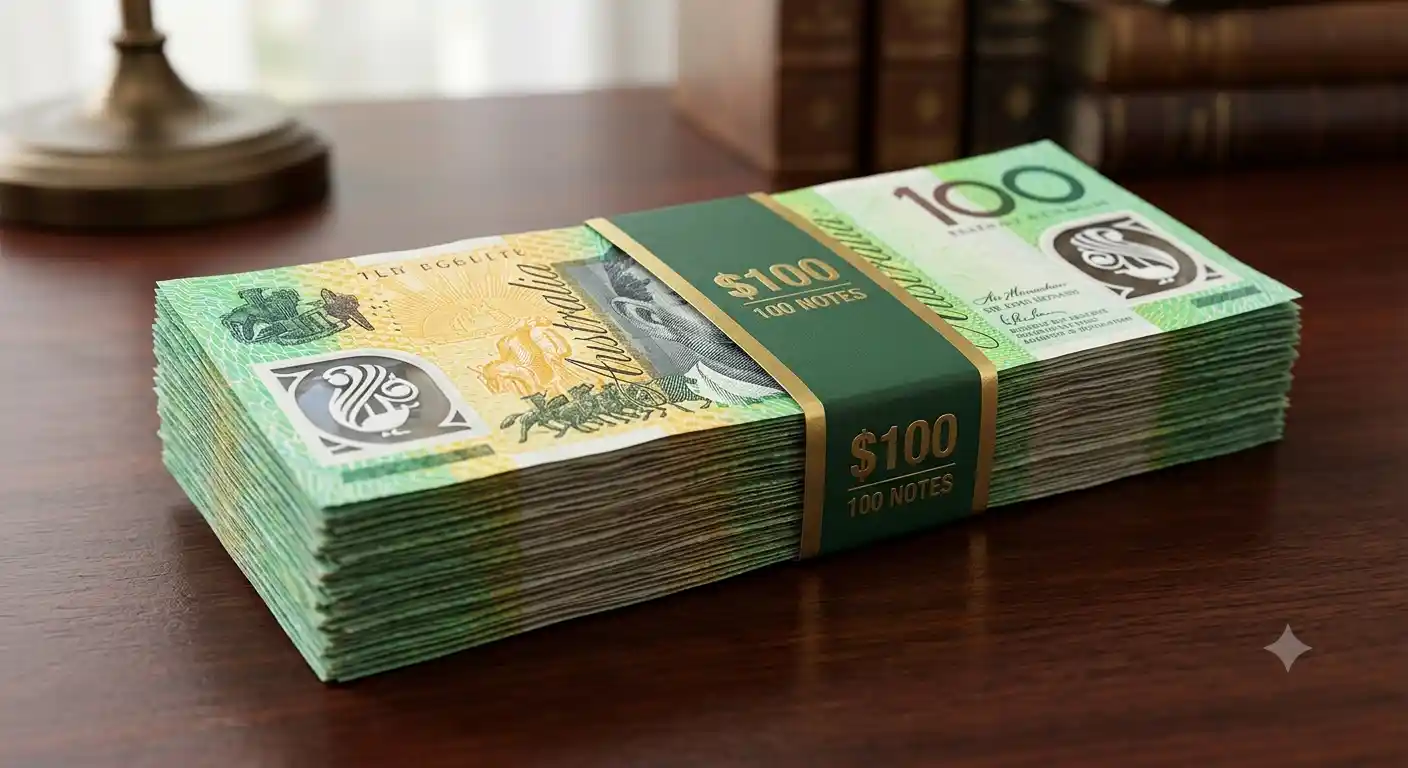
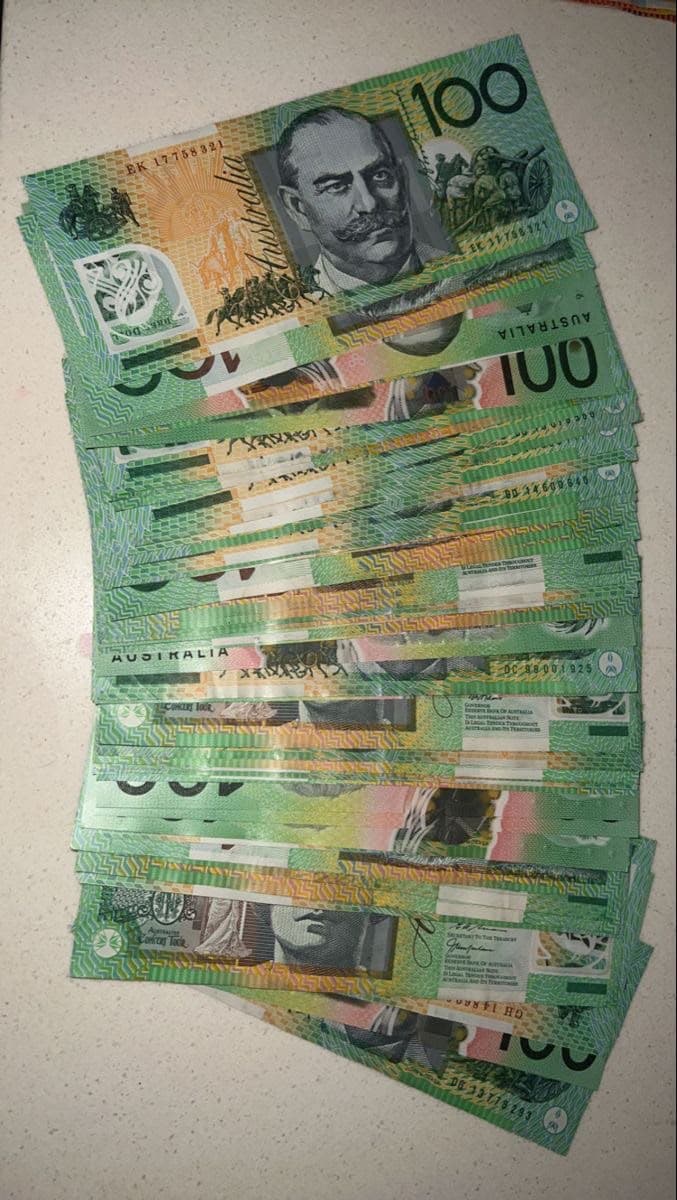
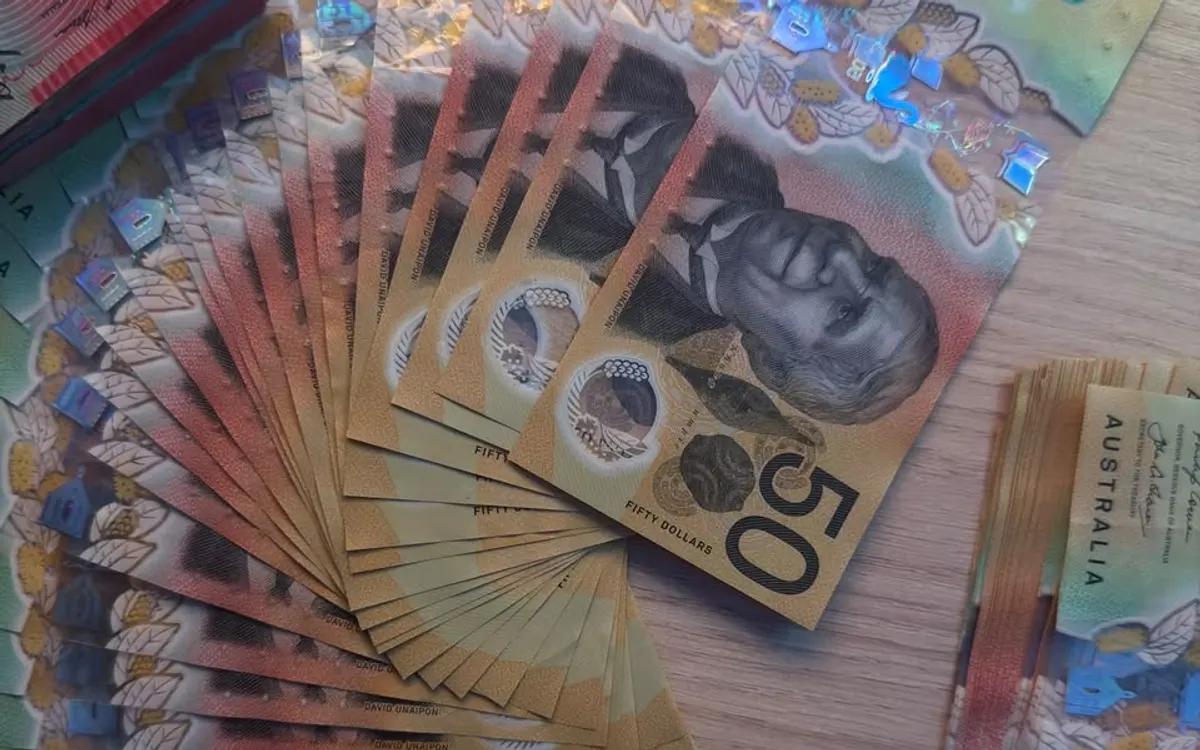
The denomination changes how real a scene reads. A $100 note is the cinema favourite because the green is distinctive and the value is obvious. A $50 gives a warmer, yellow-gold stack that photographs well in low light. Mixed stacks look the most natural because real cash drawers hold a mix. Our guide to the best Australian denominations for film and TV goes through each.
If your scene is a close-up of a note, start with the $100 prop note or compare the full New Notes range. If you are building a whole set, the film and TV prop currency pack is made for it.
Testing realism before the shoot
The only reliable test is to put a sample in front of your own camera. Order a small mixed set early, light it the way you plan to light the scene and shoot a few frames on the lens you will use. Look at the footage on a monitor, not just the viewfinder. This takes twenty minutes and answers three questions:
- Does the colour hold under your lights, or does it shift towards orange or green?
- Does the surface throw glare at the angle of your key light?
- Can you read the denomination and the specimen marking at the size the shot will show them?
If the answer to any of those is no, change the angle, the diffusion or the notes before the day. A sample is much cheaper than a reshoot, and it gives the director and DOP something concrete to approve. If you are shooting stills, the same test applies with your lens and flash, and our photography props category has notes suited to close work.
Realistic at different distances
Realism is a function of distance. A wide shot of a table of cash needs the right colours and the right mass, and almost nothing else. A medium shot adds the need for crisp straps and believable stacking. A close-up adds portraits, patterns and edge detail. Buy for the closest shot in the scene and the rest will take care of itself.
That is also why one set of notes can serve a whole production. Hero notes go in the insert shots and the rest of the stock fills the wide shots. You do not need a more expensive product for the wide shot, because the lens cannot see the difference.
Realistic does not mean cheap, and cheap does not mean realistic
Print detail and paper cost money. Very low prices usually mean thin printing, wrong colours or no marking, and that is a false economy when a reshoot costs more than the notes. Our post on what you are really paying for in cheap prop money breaks down the trade-offs.
What a compliant supplier tells you up front
A professional prop studio answers these questions before you ask them, and puts the answers in writing:
- What markings are on each note, and where they sit.
- What the notes are printed on, and how that differs from a genuine note.
- Where the business is based and how to contact it.
- How the parcel is sent, and who signs for it.
- What happens if the notes arrive damaged or the count is wrong.
If a seller dodges any of these, treat it as a warning. A realistic look is something you can see in a photo. The paperwork is something you can only get from a supplier that is happy to be identified. Our local vs overseas supplier comparison shows how the two differ in practice.
Terms people confuse with realistic
- Authentic: not a prop word at all. A prop is never authentic currency.
- Replica: fine for a film prop, as long as it is marked and is not marketed as spendable.
- High quality: about print and finish, not about passing as real.
- Aged or weathered: about wear and handling, which makes a prop look lived-in without making it look genuine.
Keeping these straight helps you write a clear brief and helps a supplier give you the right product.
Using realistic props responsibly
Even the best prop note must stay a prop. Keep notes with the art department, brief the cast and extras, never use them to pay for anything and never post unmarked close-ups with captions that imply real cash. If a member of the public or an officer asks, show the specimen markings and the supplier invoice. Our compliance page sets out the standard in one place.
Ordering
Orders start at $300 AUD, delivery is free from $500 AUD and cryptocurrency payments receive a 10% discount. Parcels ship from Eltham, Melbourne by Australia Post Express with signature on delivery. See the shipping policy for timing, or read how fast you can get prop money in Australia.